

An Oasis of Whispering Waters and Million Wings
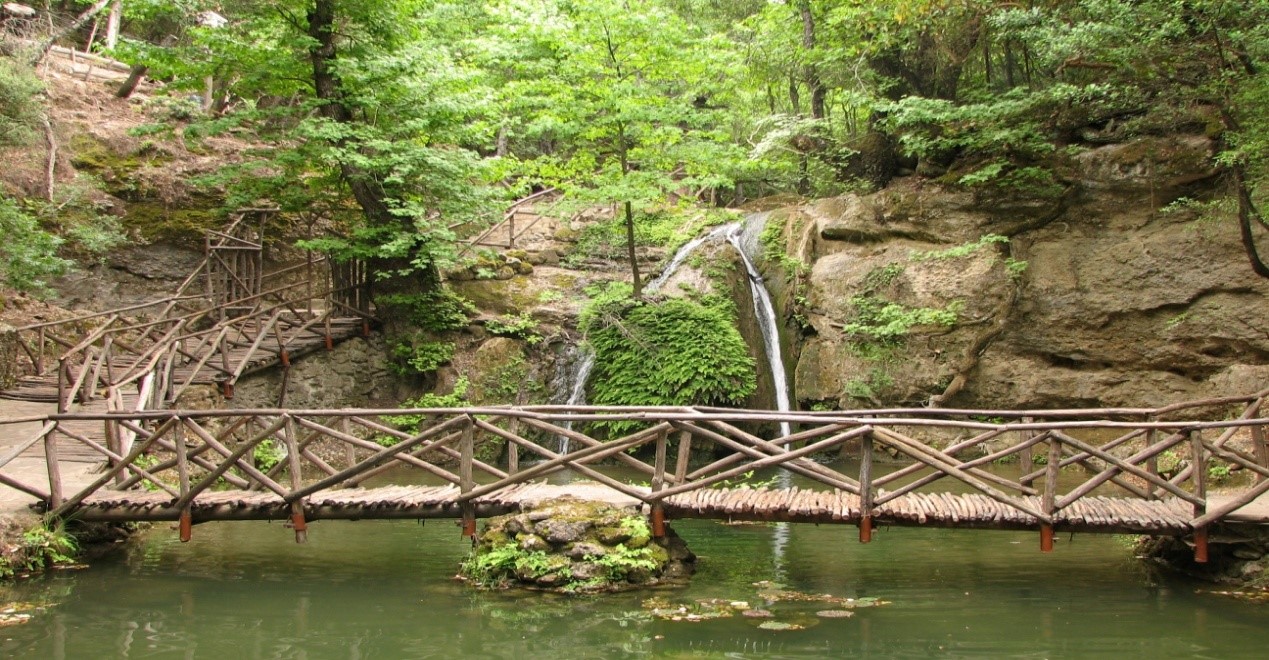
Tucked into a tranquil green gorge five kilometers southeast of the coastal village of Theologos lies one of Europe’s most extraordinary ecological sanctuaries: the Valley of the Butterflies (Petaloudes in Greek). While much of southern and eastern Rhodes is defined by sun-bleached limestone crags and arid garrigue landscapes, this microclimate valley is an astonishing oasis of running streams, wooden bridges, cascading waterfalls, and emerald canopies.
Every summer, millions of nocturnal moths belonging to the species Panaxia Quadripunctaria (commonly known as the Jersey Tiger Moth) migrate to this shaded valley to rest, mate, and escape the scorching Mediterranean heat. The result is a natural spectacle found nowhere else in Greece.
The Secret of the Valley: The Rare Liquidambar (Zitia) Trees
Why do millions of butterflies choose this specific gorge year after year? The answer lies in its unique flora. The valley is home to a rare and dense forest of Liquidambar orientalis (known locally as the Zitia or Oriental Sweetgum tree).
During the hot summer months, these ancient trees secrete a sweet, balsamic resin with an aromatic scent reminiscent of vanilla and amber. This resin attracts the moths by the millions. When resting peacefully during the daytime, the moths cling in thick blankets to the tree trunks, wet rocks, and shaded roots.
With their wings folded, they display an intricate pattern of black and creamy-yellow geometric stripes that camouflages them perfectly against tree bark. But when they flutter into flight, they reveal a dazzling flash of bright scarlet-orange underwings, turning the forest air into a swirling storm of color.
Understanding the Lifecycle: When is the Best Time to Visit?
Timing your visit correctly is key to enjoying the valley at its absolute prime:
– May to Early June (Caterpillar to Pupa): The insects are in their larval and pupal stages throughout the Mediterranean scrub. The valley is delightfully lush, green, and empty of crowds, with rushing spring water, but winged butterflies are not yet visible.
– Mid-June to August (Peak Butterfly Season): By late June, adult moths have migrated into the gorge. July and August represent the peak density, where hundreds of thousands of moths cover entire tree trunks and stone walls in shimmering tapestries.
– September (Mating Season): The moths mate and female moths begin their journey out of the valley toward dark, moist habitats across the island to lay eggs before their lifecycle concludes.
– October to April (Off-Season Peace): The reserve is peaceful and admission is often free or reduced. It is an exquisite hiking destination for forest walks, waterfalls, and peaceful nature photography, even without the butterfly swarms.
The Natural History Museum of Rhodes
Situated right beside the entrance to the reserve sits the Natural History Museum of Rhodes, housed in a beautifully restored 1930s Italian building. The museum provides an invaluable introduction to the unique geological and biological diversity of Rhodes.
Inside, visitors can examine interactive displays explaining the metamorphosis of the Jersey Tiger Moth, geological core samples of the island’s tectonic formation, taxidermy exhibits of native mammals, reptiles, and birds of prey, and an active laboratory where biologists monitor the valley’s delicate microclimate balance. Taking 20 minutes to explore the museum before walking into the valley enriches the entire outdoor experience.
Visitor Etiquette: Protecting a Fragile Ecosystem
The Valley of the Butterflies is a protected ecological biotope. Over recent decades, high visitor volumes have placed stress on the moth population. When visiting, practicing conscious ecotourism is paramount:
– Do NOT Clap, Whistle, or Shout: A common tourist misconception is to make loud noises to force the butterflies into flight for a photo. Every time a resting butterfly is startled into flight during the heat of the day, it burns vital energy reserves stored from its caterpillar phase. Exhausted moths cannot survive to mate and reproduce. Always admire them resting quietly.
– Stay on the Wooden Walkways: Stick strictly to the signposted wooden boardwalks, stone steps, and bridges to avoid trampling delicate riverside mosses and resting insects.
– Avoid Smoking and Strong Perfumes: The insects rely on sensitive antennae to navigate and detect sweetgum resin.
Why Combine Butterfly Valley with an Off-Road Safari?
During high summer, the main road leading into the valley and its parking areas frequently suffer from heavy traffic, exhaust fumes, and massive 50-seater tourist coaches that destroy the peaceful atmosphere.
Rhodes Adventures solves this completely. In our self-drive 4×4 Jeep Safari or Polaris Buggy Tour, we approach the valley from the back mountain trails, visiting early in the morning when the temperature is cool and the trails are quiet. After enjoying the shaded sanctuary of the gorge, our convoy continues along backcountry dirt tracks connecting to remote mountain villages, medieval castles, and honey-tasting farms for a complete, authentic day out.